Guide FOR CONTINGENCY PLANNING OF HIV SERVICES FOR KEY POPULATION during Covid-19 2022 and other emergencies

Following the widespread of the new SARS-CoV-2 Coronavirus, the World Health Organization de- clared January 30, 2020, an international public health emergency, and subsequently declared it a pandemic on March 11, 2020. As of January 19, 2022, more than 337 million cases of COVID-19 were reported worldwide, of which more than 5.5 million died. A new mutation in the coronavirus in the form of omicron continues to grow at an unprecedented rate on a daily basis, exacerbating the glob- al health crisis.

The separation and social distancing required to contain the spread of COVID-19 has hit margin- alized groups the hardest, such as homeless people, sex workers, LGBTI people, people who use drugs, ethnic minorities, and prisoners1. It should be noted that in Georgia, like in other countries worldwide, the lockdowns and social distancing has greatly affected the personal well-being and mental health of many people affected by HIV, including representatives of Key Populations (KP). Access to testing and face-to-face consultations has been significantly reduced. For chronic infec- tions such as HIV and viral hepatitis, delayed diagnosis and treatment may result in further long-term consequences including sequelae for individual patients2,3. The socio-economic impacts such as loss of income and increased threat of domestic violence has created a situation characterized by fear and uncertainty for vulnerable populations. There is emerging evidence that COVID-19 has ex- posed stark inequities that exist in access to health and support services for marginalized people4, including HIV key and vulnerable populations. The economic effects of the COVID-19 pandemic are affecting many HIV communities, many of which work in the informal economy and cannot claim for income support due to the lack of formal evidence of job loss. As a result, individuals are facing housing losses, and numerous co-occurring effects on mental health and an increase of violence. Psychosocial and welfare support is urgently needed.


The methodology of the assignment is based on rapid assessment, which includes three main sources of data:

1. Situational analysis – review of relevant research / literature and information from thematic agencies and organizations to write recommendations and action plans;

  1. Guide for Contingency Planning for Key Population HIV Services during COVID-19 and Other Emergencies that was prepared within the framework of the regional project “Sustainability of Services for Key populations in the EECA region”
    with support of Global Fund to Fight AIDS, Tuberculosis and Malaria.

  2. A small, informal survey involving NGOs and community members, as well representatives of NCDC, AIDS and TB centers, which includes identifying challenges caused by pandemic and necessary interventions for Key populations during to ensure uninterupted HIV services during emergencies.


In 2020 a Guide for Contingency Planning for Key Population HIV Services during COVID-19 and Other Emergencies was published within the framework of the Global Fund Regional Project “Sustainability of Services for Key populations in the EECA region”. This guide represents a frame- work document outlining key recommendations for the uninterrupted provision of health ser- vices to vulnerable groups (COVID-19 and similar crises), which is also relevant for the countries of EECA region.

Following these recommendations, it is foreseen to prepare national COVID-19 Emergency Planning Guide for high-risk groups in Georgia within C19RM mechanism of regional SoS 2.0 project.


Guide _ GEO

Guide _ ENG


REAct 2022 Report

REAct 2022 Report...

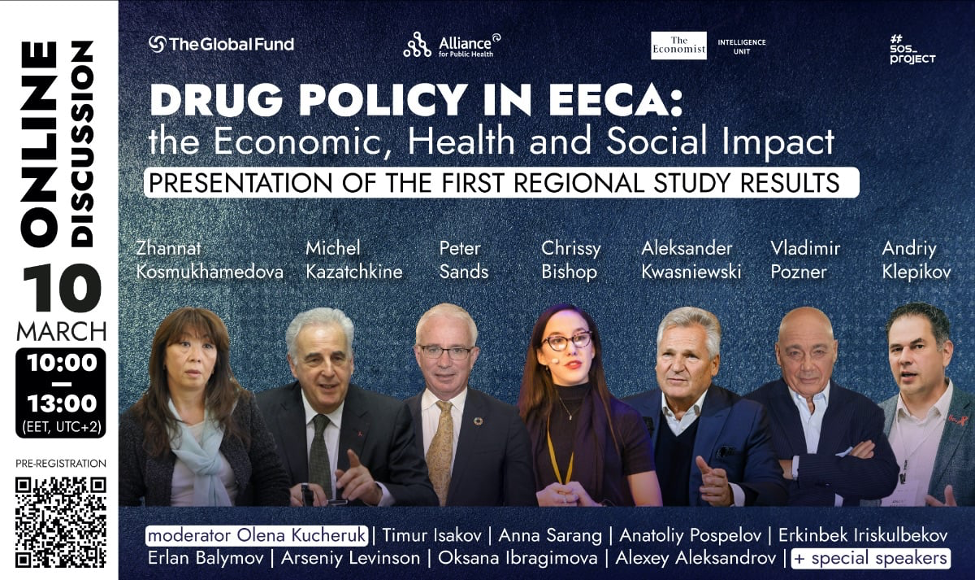
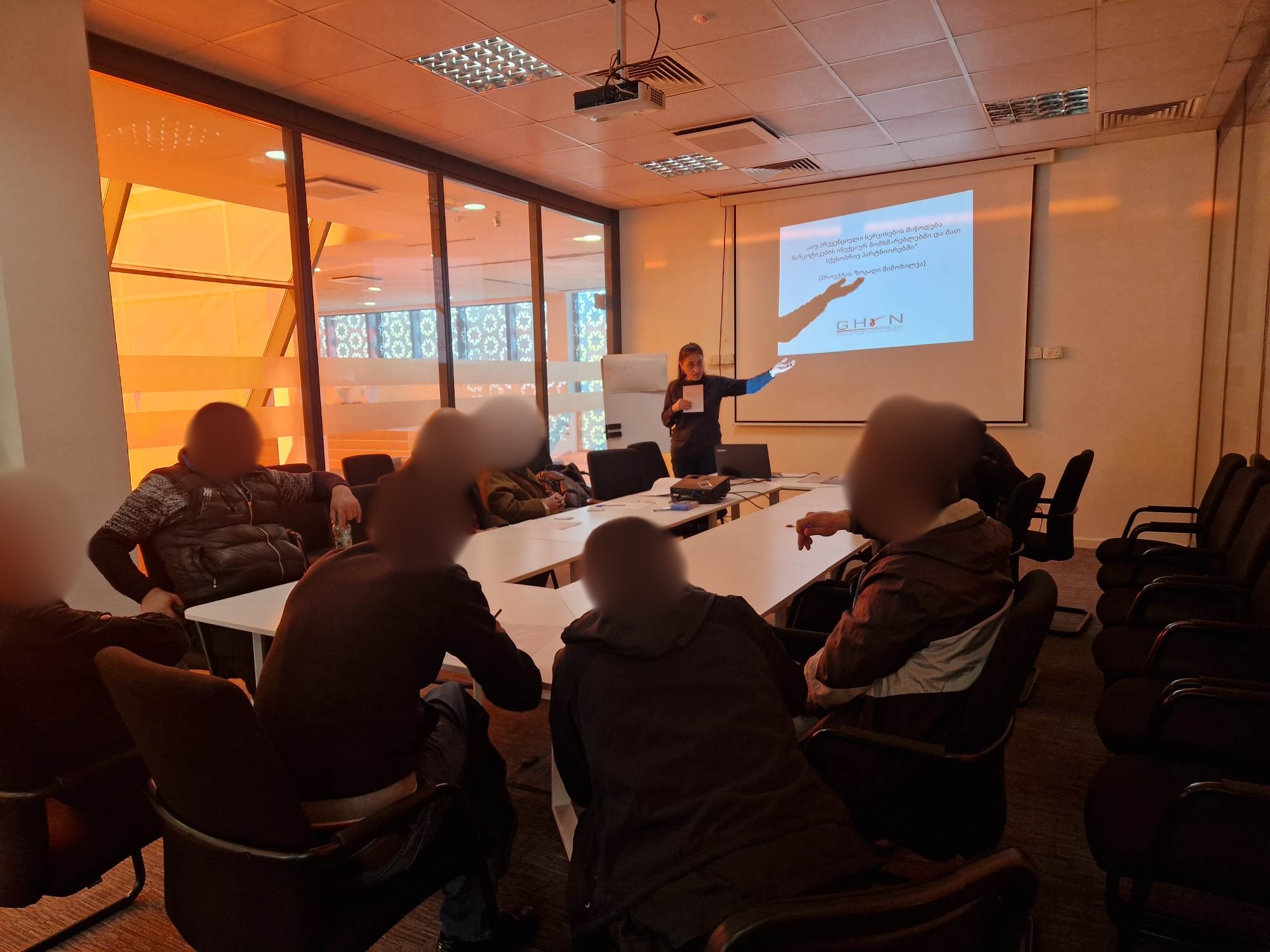
Workshop on the topic of drug policy

Workshop on the topic of drug policy...

vacancy - Project consultant

vacancy - Project consultant ...

Happy New Year!

Happy New Year!...

Informational meeting at N10 and 15 penitentiary institution

Informational meeting at N10 and 15 peni...

N7 Quarterly newsletter

N7 Quarterly newsletter "harm reduction"...

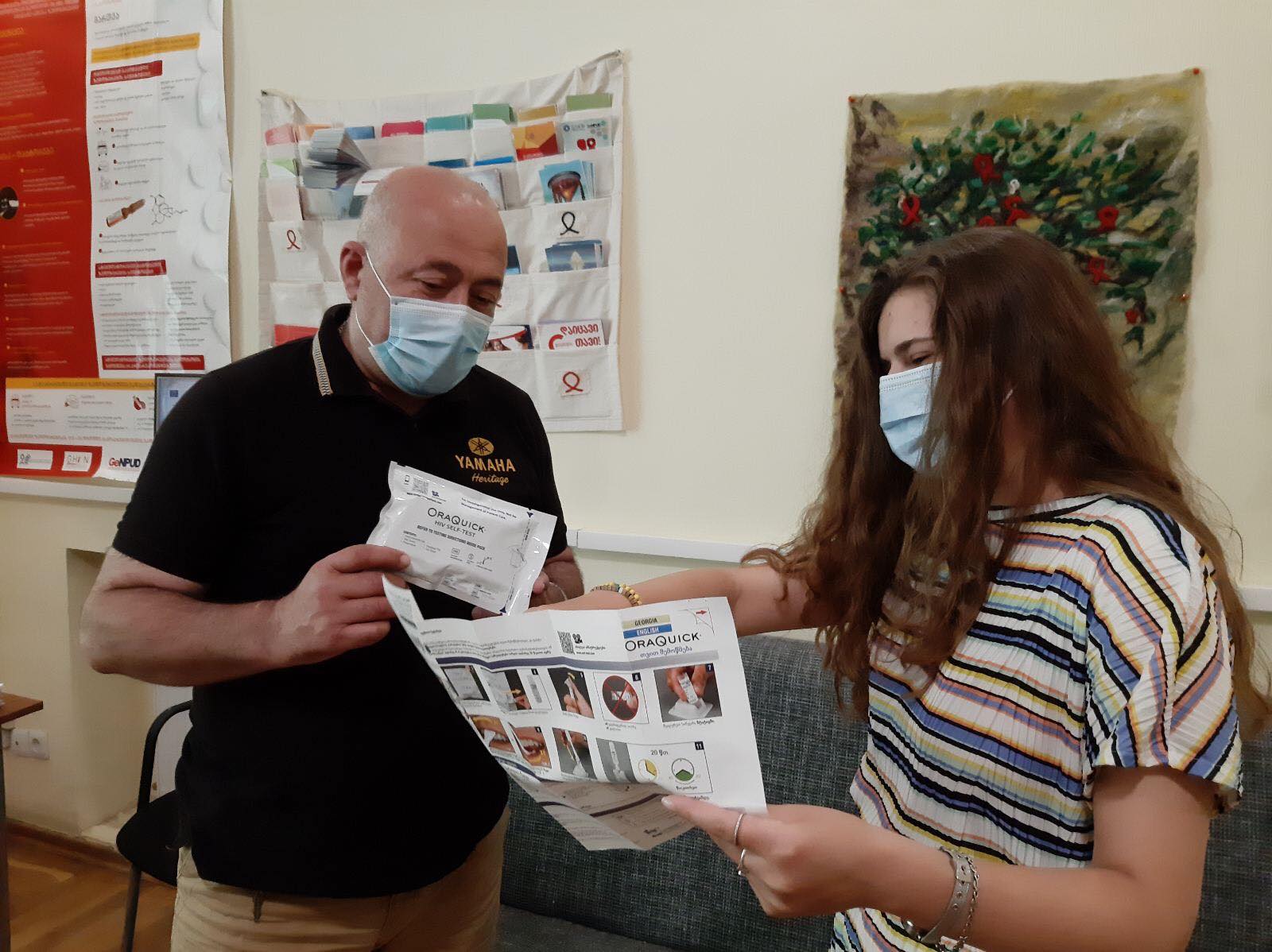
Find out your hepatitis C status and be rewarded

Find out your hepatitis C status and be ...

Review of REAct 2020 Report

Review of REAct 2020 Report...

Contact

Contact...